
LEGO Skylines vs Cities: Skylines
Same municipal bones, different toy — Iceflake said so on the IGN stage, not in a comment section.
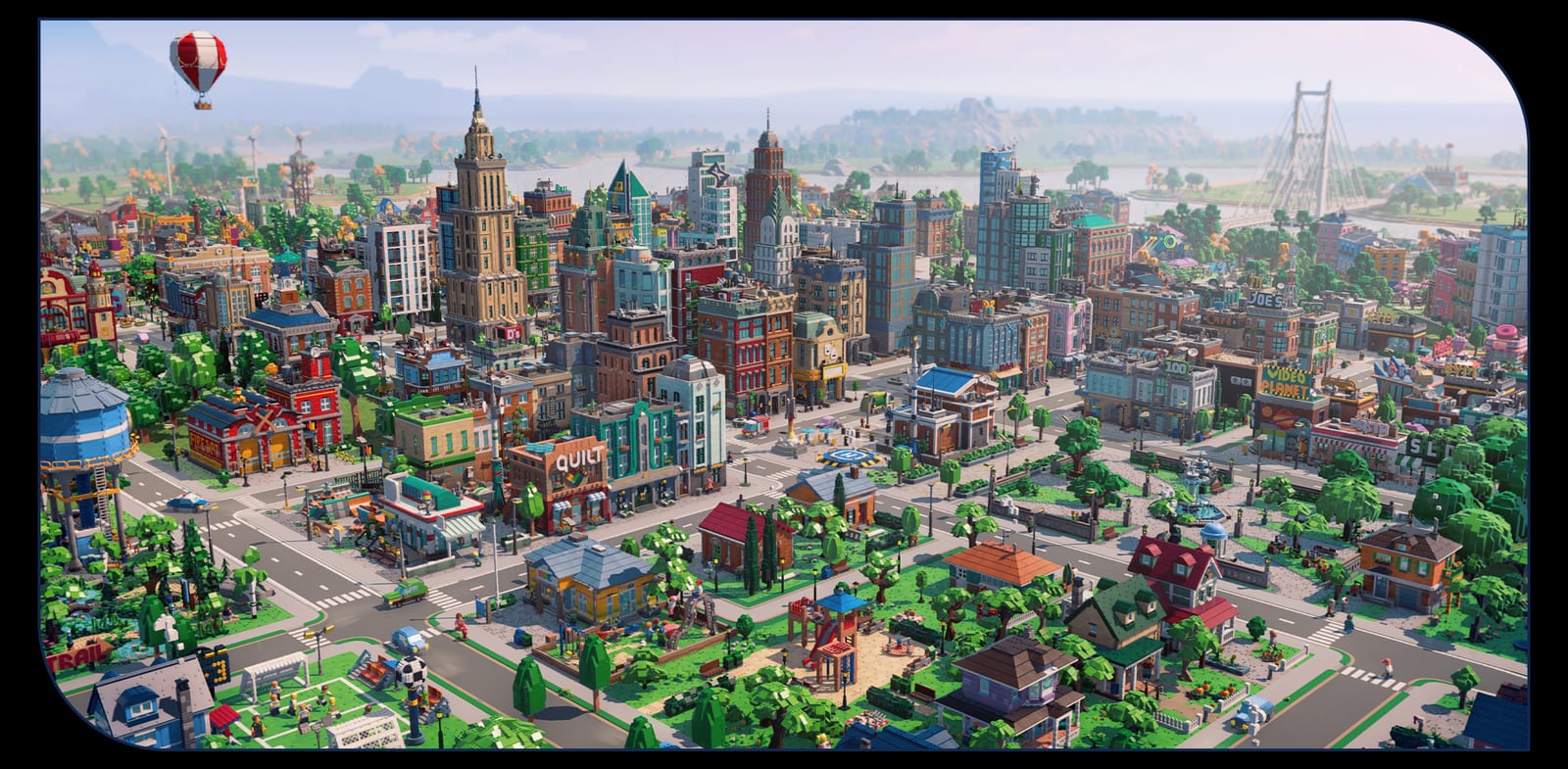
The headline write-ups called LEGO Skylines a Cities: Skylines spin-off, a brick reskin, or Cities 3 in disguise. Paradox’s FAQ already rejected the last two. On 29 August 2026, Iceflake’s Lasse Liljedahl and Jonna Liikanen sat with IGN at gamescom and described the actual split. This page is that split in wiki form: what the two games share, what LEGO Skylines refuses to be, and who should wishlist which.
If you want the interview as news, read the IGN recap. If you want the loop inside LEGO Skylines alone, start at how to play. This page exists for the comparison search.
Standalone, not a sequel, not a pack
LEGO Skylines is its own game. It is not Cities: Skylines III. It is not DLC for Cities: Skylines II. Iceflake currently stewards both products, which is why comment sections keep gluing them together. Shared studio is not shared save file. Shared publisher is not shared simulation. The announcement locked that in on 25 August; the interview did not walk it back.
Cities: Skylines II remains a live, realistic city sim with a rough launch history and a long patch road. LEGO Skylines is a cozy, customizable builder announced at Opening Night Live with a PEGI 3 / ESRB Everyone rating and a Switch 2 SKU from day one. Those are different shipping problems. Mixing patch notes between them is how you scare the wrong crowd.
What they kept on purpose
Liljedahl did not pretend LEGO Skylines invented city-building. Both games, he said, share common ground: they are city-builders rooted in modern cities. You still cover electricity, sewage, water, police, and healthcare. The press kit already named roads, food, hospitals, garbage, wheat, and the rest of the click. Police is the interview add. The services ranking now treats that stack as the municipal spine, not as flavour text.
If you know how to keep a Skylines neighborhood alive, you already know the first-hour order: path, power, water, food, health, waste. The city planner is that order as a checklist. The difference is what Iceflake wants you to care about after the pipes work.
What they changed on purpose
Three interview lines draw the line.
Scale of building. LEGO Skylines is not brick-by-brick for the whole city. You focus on personal work, one building at a time, meet that household’s needs, grow slowly, and use a bigger brush late. Cities: Skylines is zone-and-grow at street scale almost immediately. If your joy is painting a nine-tile industrial grid, the LEGO game will feel slow on purpose. If your joy is dressing one house until it looks like yours, the Skylines games will feel industrial. Method lives on how to build.
XP, not only throughput. Progression in LEGO Skylines depends on XP you gain while playing. You can fill that XP by decorating or by making the city more efficient. Cities: Skylines progression is closer to milestone population and unlocked policy toys. Decoration in that series is mostly a screenshot layer. Here, Liikanen and Liljedahl put personality first and said beauty is a valid path. That is why citizen happiness treats parks and lot dressing as systems.
Little people until the end. You can always go back and talk to the minifigures about worries and needs, even when late-game challenges change shape. Cities: Skylines citizens are data with optional chirps. LEGO Skylines is selling conversation as an endgame toy, not a tutorial mascot.
Emphasis follows from those three. Iceflake talked about communication, leisure, and whether the city looks right, versus chasing effectiveness. A traffic-minmax religion can wait. No traffic diary has shipped for this game anyway.
Who should play which
Wishlist LEGO Skylines if you want a tabletop city that grows from one house, you like decorations as progress, you play in short sessions, and you are fine with prefab-plus-dress until a diary names deeper tools. Platforms and the click path are on how to wishlist.
Stay with Cities: Skylines (or II, if that build is in a state you trust) if you need intersection throughput, airport mods, and a workshop that already exists. Do not wait for LEGO Skylines to become that game. The director already said the city is not a stud-by-stud CAD downtown.
Play both if you like Iceflake’s management craft and want a cozy fork plus a sim fork. That is allowed. It is also the honest reading of one studio holding two products.
What we will not copy across
No CS2 traffic numbers. No CS2 building costs. No CS2 disaster list. No assumption that education, fire, or airports exist in LEGO Skylines because they exist next door. Police is confirmed; the rest of the classic icon row is still a maybe. When a LEGO Skylines diary names radii, this comparison will gain a table. Until then, the useful table is three rows: municipal stack (shared), building scale (different), progression meter (different).
The review preview is the wishlist verdict. This page is the sibling-series verdict. Neither is a launch score. If Steam news or an Iceflake diary contradicts a sentence here, trust the diary. The IGN stage chat is canon until something newer and official is.
If a thumbnail promises “Cities 3 with bricks,” close it. The FAQ, the press release, and the game director all used the word standalone. That is the whole comparison until someone ships a build.
Frequently Asked Questions
Short answers while LEGO Skylines is still in the wishlist window.
Is LEGO Skylines Cities: Skylines 3?
No. The FAQ and Iceflake both call it a standalone game. Recap on the announcement page.
Do I need to have played Cities: Skylines?
No. The service list will look familiar. The first-hour loop is one house, not a regional start. See how to play.
What did Iceflake keep from Skylines?
Electricity, sewage, water, police, and healthcare, plus the rest of the press-kit stack. Ranked on services.
Where is the interview this page is based on?
IGN, gamescom 2026, 29 August. Full recap and embed on the interview page.